Trebles and Shadows, 2026
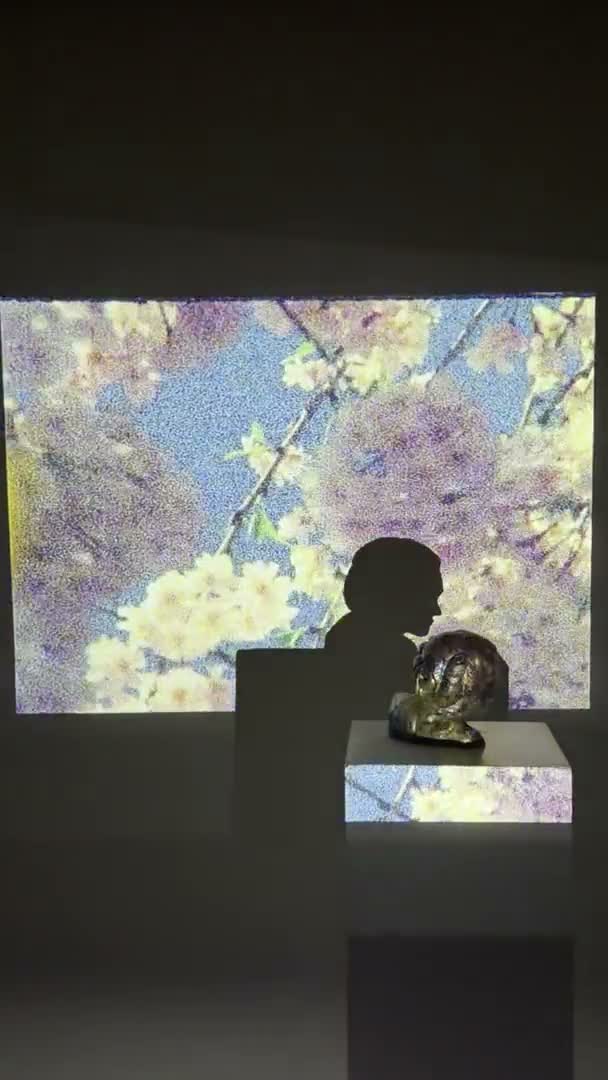
Ceramic sculpture, 8 mm film

The project explores how visual arts can deepen the theatrical experience of live vocal performance. Shot on 8mm film, the two prototypes investigate how projected image, sculptural space, and visual rhythm can accompany classical singing without overpowering it.
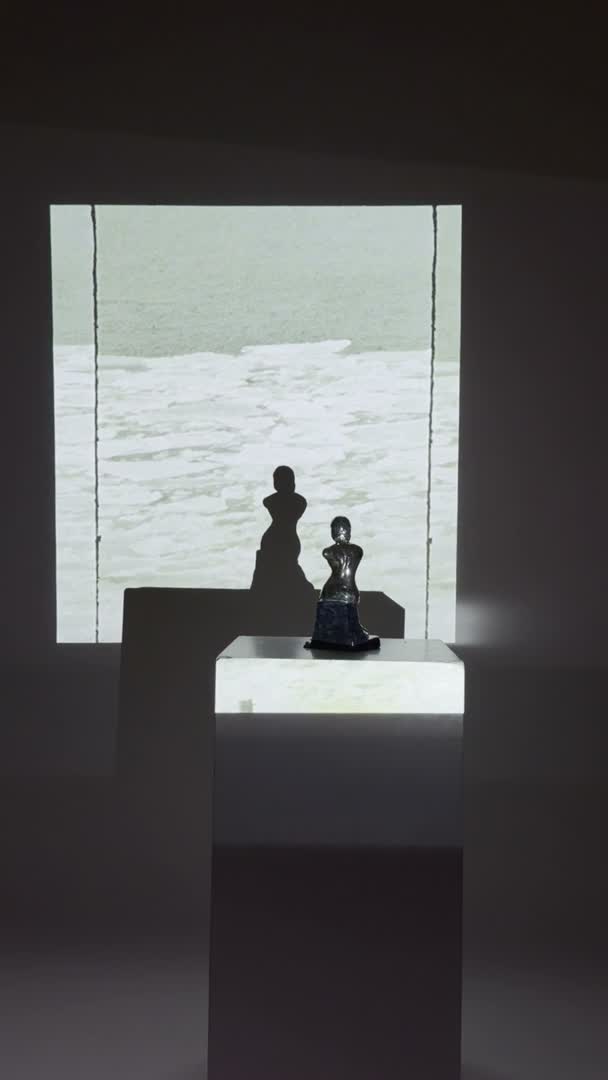
  • Sì, Mi chiamano Mimì

    The first prototype is inspired by La Bohème , Puccini’s tragic portrait of youth, poverty, illness, and love in 1830s Paris. Centered on Mimì, a fragile seamstress who dreams of spring, flowers, and tenderness despite the harshness of her circumstances, the visual design responds to the aria ("Sì, Mi chiamano Mimì" )’s longing for April, a symbol of renewal, warmth, and life briefly imagined before it disappears.

  • Ist ein Traum, kann nicht wirklich sein

    The second prototype draws from Der Rosenkavalier, Richard Strauss’s bittersweet meditation on time, desire, and social performance within the world of Viennese aristocracy. In this scene ("Ist ein Traum, kann nicht wirklich sein"), the Marschallin (Princess Marie Thérèse von Werdenberg), the protagonist, is forced to confront the humiliation and grace of relinquishment as her young lover, Count Octavian, falls in love with Sophie. The visual treatment explores this moment of resignation, the dignity of surrender, and the haunting awareness of time passing through the body just like the sakura's fleeting bloom.